Understanding what they might pay for a sleep study can feel confusing, especially when Medicare rules, provider fees, and equipment costs all vary. This guide explains typical out-of-pocket ranges, what Medicare may cover, and the common add-ons that change the final bill.
In short, Sleep Test Cost Breakdown for Medicare-Eligible Patients in Australia depends on the type of test, whether it is billed in a hospital or private clinic, and whether the provider bulk bills or charges a gap.
What types of sleep tests might they be offered in Australia?
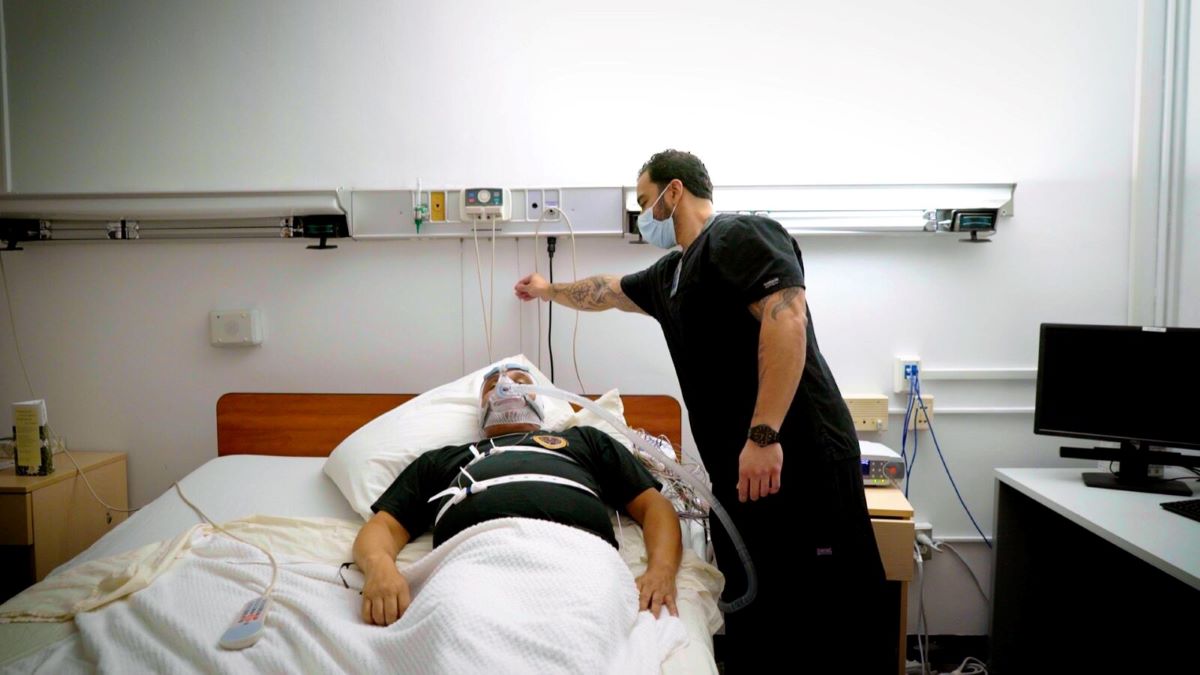
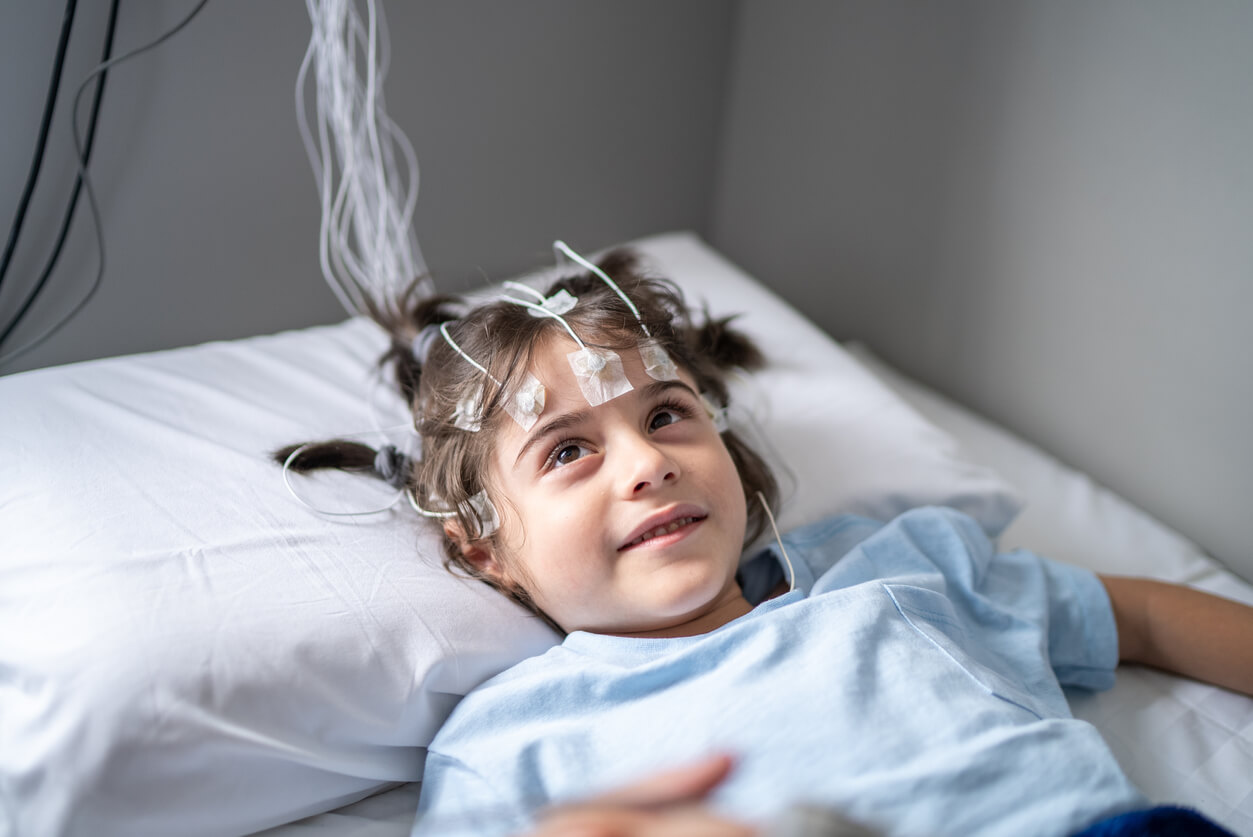
They are usually offered either an in-lab overnight study (polysomnography) or a home sleep test. In-lab studies are more comprehensive and usually cost more.
A GP or specialist may recommend a home test for suspected obstructive sleep apnoea, while complex symptoms might trigger an in-lab test in a sleep lab.
What is the difference between an in-lab sleep study and a home sleep test for cost?
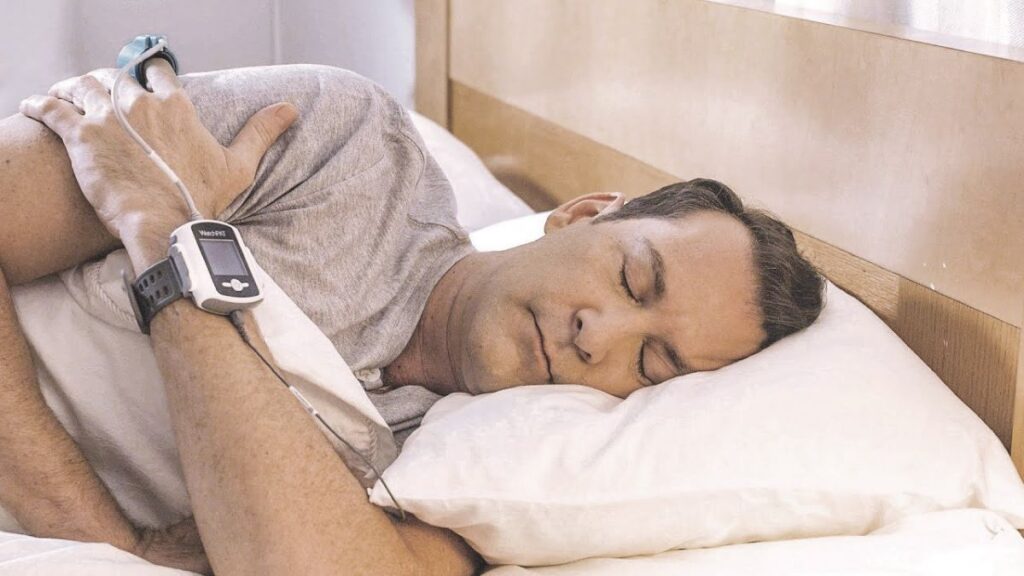
In-lab studies generally have higher fees because staffing and facility costs are included. Home sleep tests tend to be cheaper but may involve separate charges for equipment hire and reporting.
For many people, this Sleep Test Cost Breakdown for Medicare-Eligible Patients in Australia starts with choosing the setting: a hospital-based sleep lab, a private clinic lab, or a home test arranged by a clinic.
How does Medicare eligibility affect what they pay?
If they are Medicare-eligible, Medicare may subsidise parts of a sleep study when item numbers and clinical requirements are met. That subsidy does not automatically mean “no cost,” because the provider can still charge above the Medicare schedule.
They should confirm whether the provider bulk bills, charges a gap, or bills additional fees outside Medicare before booking.
What Medicare items might apply to sleep studies?
Medicare item numbers can apply to diagnostic sleep studies and, in some cases, CPAP-related follow-up services. The exact item depends on the test type, monitoring, and who is interpreting it.
Because item rules can change and can be applied differently between clinics, they should ask the provider which Medicare items will be claimed and what their expected out-of-pocket cost will be.
Can they get a sleep test through the public system?
Yes, they may access a sleep study through a public hospital pathway, typically after GP referral and triage. Costs can be low, but wait times can be long and eligibility criteria can be strict.
For those comparing options, Sleep Test Cost Breakdown for Medicare-Eligible Patients in Australia is not just dollars. It also includes time, convenience, and how quickly results are needed.
What do private sleep clinics typically charge Medicare-eligible patients?
Private clinics often charge an upfront fee, then they (or the patient) claim the Medicare rebate. Out-of-pocket amounts vary widely depending on location, test type, and whether a specialist consult is bundled.
As a rough guide, home sleep tests in private settings are often less expensive than in-lab studies, but they can still attract meaningful gaps once reporting and consult fees are included.
What is a realistic out-of-pocket range for a home sleep test?
Many Medicare-eligible patients see a gap for home testing when providers do not bulk bill. Costs can range from relatively modest fees to several hundred dollars, depending on what is included.
They should ask if pricing includes device setup, data analysis, a written report, and a follow-up appointment, because partial inclusions commonly inflate the final total.
What is a realistic out-of-pocket range for an in-lab sleep study?
In-lab studies can be significantly more expensive when done privately, particularly if there are separate hospital, facility, and specialist fees. Some patients pay little if bulk billed, while others face a larger gap.
This is where Sleep Test Cost Breakdown for Medicare-Eligible Patients in Australia becomes most provider-dependent. Two clinics in the same city can quote very different totals for what sounds like the same study.
What extra fees commonly appear on sleep test invoices?
Common add-ons include initial specialist consultations, separate scoring and interpretation fees, administration charges, and follow-up consults to explain results. In some cases, equipment deposit or replacement fees apply for home devices.
If they are quoted a “package price,” they should confirm what is excluded, such as after-hours staffing, additional sensors, or repeat testing if the first study is inconclusive.
Do they need a GP referral, and does it change the cost?
A GP referral is usually required to access Medicare rebates and to see a specialist under Medicare rules. Without appropriate referrals, they may pay privately with no rebate for certain services.
A referral itself is typically covered under Medicare when they see their GP, but longer GP appointments may attract mixed billing depending on the practice.
How much do specialist appointments add to the total cost?
Specialist consultations can add a substantial amount, especially if there is an initial consult, a post-test review, and ongoing management. Some clinics bundle consults into a package, while others bill each visit separately.
When they request quotes, they should ask for a total pathway cost across 2 to 3 appointments, not just the sleep test fee.
Does private health insurance reduce sleep study costs for Medicare-eligible patients?
Private health insurance may reduce some hospital or facility charges for in-lab studies if they are admitted as a private patient. It usually does not replace Medicare; it may work alongside it depending on the setting.
They should check their policy for hospital admissions, waiting periods, and whether their insurer has preferred provider arrangements in their state or territory.
Are there different costs in major cities versus regional Australia?
Yes, fees and gaps can vary by region due to staffing, facility costs, and local competition. In regional areas, fewer providers can mean fewer bulk-billing options, but some services offer home testing by mail.
For an accurate Sleep Test Cost Breakdown for Medicare-Eligible Patients in Australia, they should compare at least two providers, even if both are in the same state.
What happens if the first sleep test fails or is inconclusive?
If the data quality is poor or results are borderline, a repeat study may be recommended. Some clinics repeat at low or no additional cost, while others charge again, particularly if it requires another overnight lab booking.
They should ask upfront what the policy is for failed recordings, inadequate sleep time, or device issues.
Do they pay differently if the test is for obstructive sleep apnoea versus other conditions?
Yes, because more complex conditions may require more sensors, different monitoring, or a full in-lab polysomnography. Suspected parasomnias, nocturnal seizures, or complex breathing disorders often lead to higher-cost studies.
This affects Sleep Test Cost Breakdown for Medicare-Eligible Patients in Australia because the test type is not purely a preference; it is based on clinical need.
See Also : Sleep Study Sydney Cost Ranges Across Public Hospitals
How much does a CPAP trial add after the sleep study?
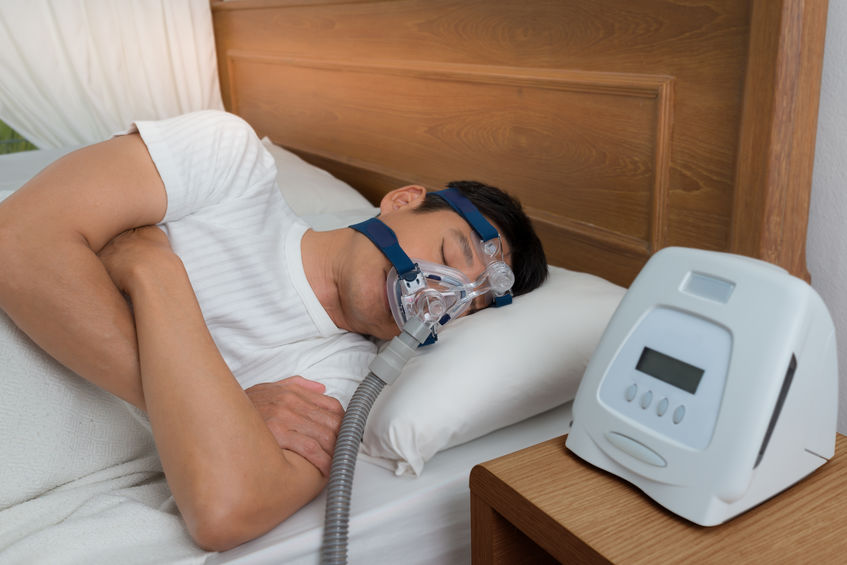
A CPAP trial can involve extra costs such as device rental, mask fitting, and follow-up support. Some providers include a trial period in a management package, while others charge separately through a CPAP supplier.
They should separate “diagnosis costs” from “treatment costs” when budgeting, because CPAP expenses can exceed the test itself over time.
Are CPAP machines and masks covered by Medicare?
Medicare generally does not cover CPAP machines for most people. Some state-based schemes, hospitals, or veteran pathways may assist eligible patients, but many patients purchase or rent privately.
They should ask the clinic whether they can take the prescription to an independent supplier, as pricing can vary widely across Australian retailers.
What payment options do clinics commonly offer?
Many clinics accept card payment on booking or on test night, then assist with Medicare claiming. Some offer instalments for bundled packages or for CPAP trials, though terms vary.
If cash flow is the main issue, they should ask whether the clinic can directly bill Medicare and only charge the gap, rather than requiring full payment upfront.
What questions should they ask to get an accurate quote?
They should ask for a single written quote that includes every likely step, not just the test fee. The quote should specify Medicare item numbers claimed, expected rebate, and the remaining out-of-pocket cost.
To clarify the Sleep Test Cost Breakdown for Medicare-Eligible Patients in Australia, they can ask:
- Is the test bulk billed, part-bulk billed, or private billed?
- What is included: setup, scoring, interpretation, report, follow-up consult?
- Are there separate facility or hospital charges?
- What happens if the study needs repeating?
- Are there any CPAP trial costs discussed at the same clinic?

What are common cost-saving strategies that still keep care appropriate?
Choosing a provider that bulk bills or charges a smaller gap can reduce costs significantly. In some cases, a home sleep test may be clinically appropriate and cheaper, but they should not choose it purely for price if symptoms suggest a more complex disorder.
They can also reduce unnecessary expenses by requesting transparent quotes, avoiding bundled extras they do not need, and comparing CPAP suppliers after receiving a prescription.
What should they do next if they want a clear cost estimate?
They should start with a GP visit to discuss symptoms and request an appropriate referral. Then they should contact two or three clinics to compare inclusions, Medicare billing approach, and likely out-of-pocket totals.
With those quotes in hand, Sleep Test Cost Breakdown for Medicare-Eligible Patients in Australia becomes a practical budgeting exercise instead of a surprise invoice.