They usually want a clear answer before they book anything: a home sleep study Hobart option can be highly accurate for diagnosing obstructive sleep apnoea in the right person, but it is not the best fit for every sleep problem. A lab-based polysomnography still has an edge when symptoms are complex, safety needs are higher, or the diagnosis is uncertain.
Accuracy depends less on “home versus lab” in general and more on the person’s symptoms, the type of device used, and how the test is set up and interpreted in Australia.
What exactly is being compared between home testing and a lab test?
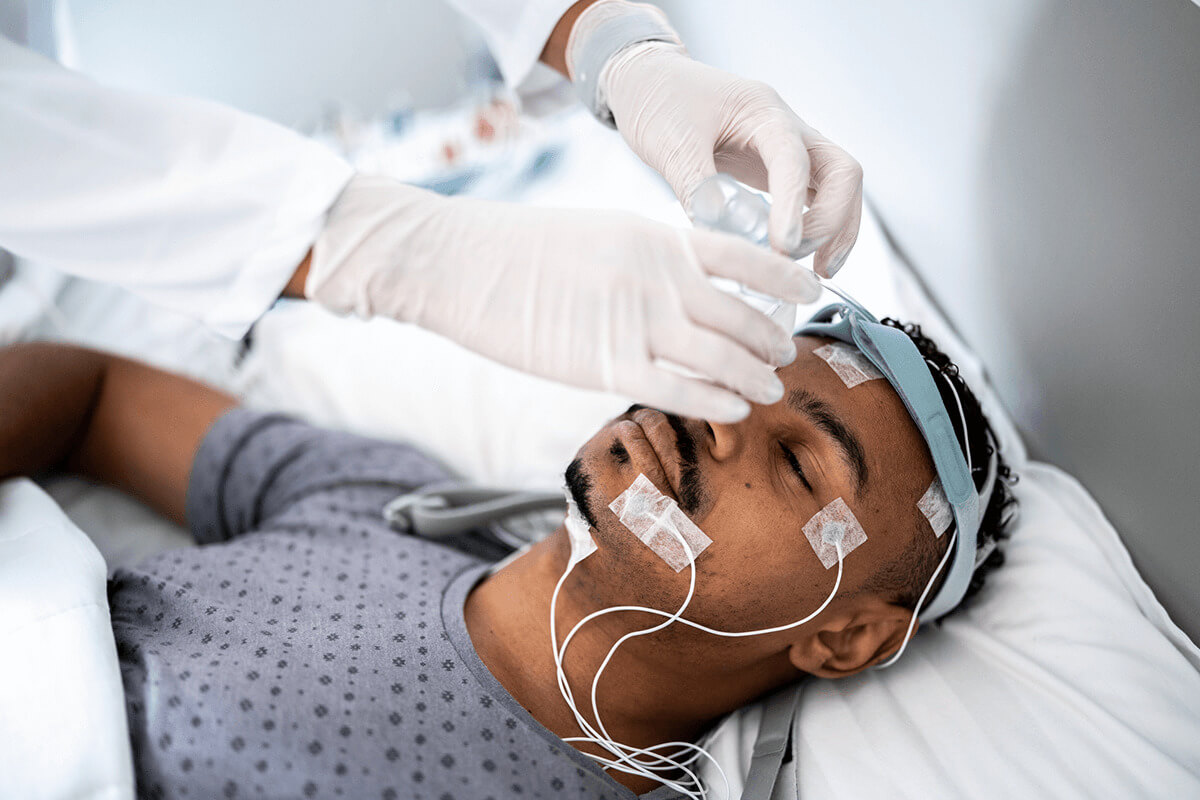
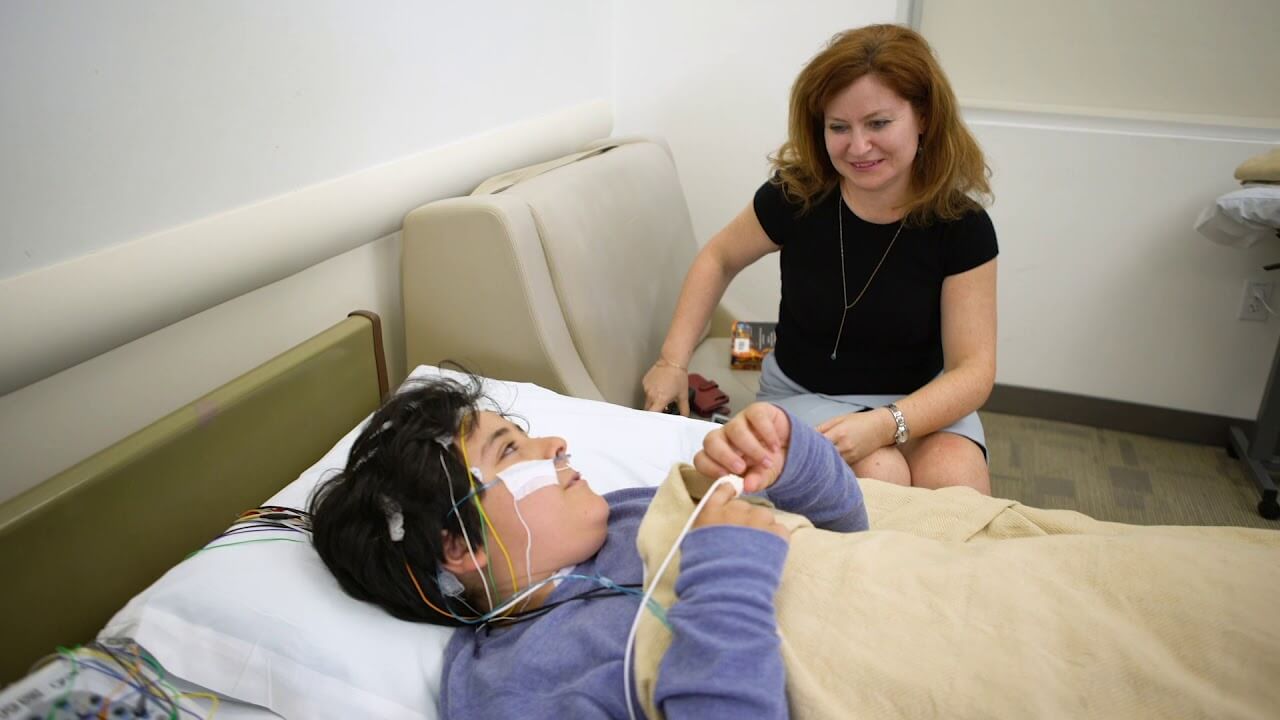
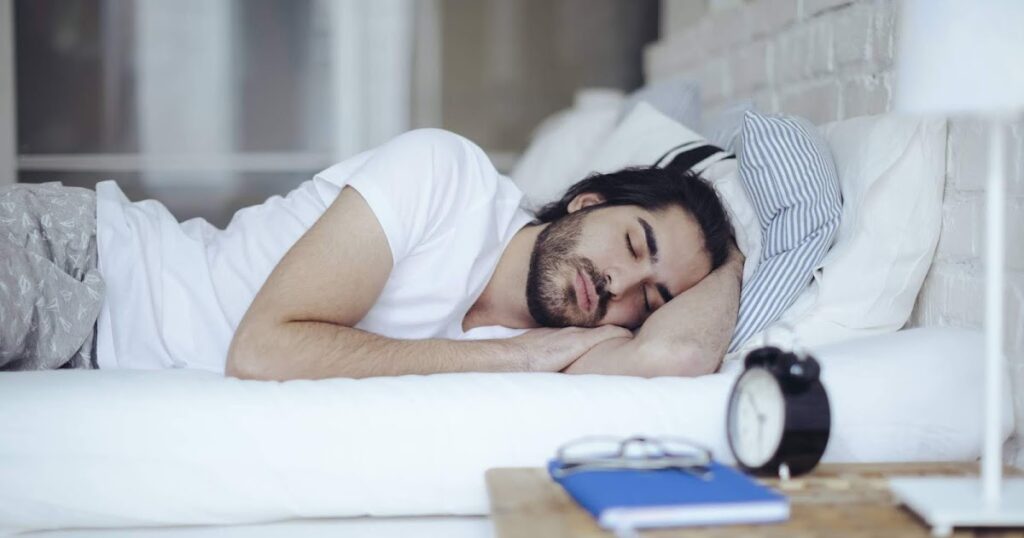
A lab test typically means an overnight polysomnography in a sleep clinic, with many sensors recorded under supervision. A home test generally means a portable monitor used in their own bed, with fewer channels recorded.
In practice, they are comparing breadth of data and oversight (lab) versus convenience and realistic sleep environment (home). A Hobart home sleep study booking usually aims to confirm or rule out obstructive sleep apnoea rather than investigate every possible sleep disorder.
How accurate is a home sleep study for obstructive sleep apnoea?
For many adults with a high likelihood of moderate to severe obstructive sleep apnoea, home testing can be very accurate. It often performs well at detecting frequent breathing events and oxygen drops that match clinically significant sleep apnoea.
However, home devices may underestimate severity in some cases because they often measure “recording time” rather than true sleep time. When they choose a home sleep study Hobart option, accuracy is strongest when symptoms are classic and the goal is straightforward diagnosis.
Why can lab tests still be considered the gold standard?
Lab polysomnography records more signals, including detailed brain activity used to stage sleep, plus supervised setup that reduces sensor loss. This matters when the clinician needs certainty about sleep time, arousals, unusual breathing patterns, or other disorders.
A lab also allows technicians to troubleshoot in real time. If they have confusing symptoms or safety risks, the extra data can make the diagnosis more reliable than a home sleep study Hobart approach.
Which signals does a home sleep study usually measure?
Most home studies used in Australia measure breathing airflow, respiratory effort, oxygen saturation, heart rate, and body position. Some include snoring and limited movement data.
What they typically do not capture is full EEG sleep staging, which helps separate “awake” from “asleep.” That limitation does not always reduce usefulness, but it explains why a home sleep study Hobart result is best interpreted alongside symptoms and clinical assessment.
Which signals does a lab study capture that home testing often misses?
A lab study generally includes EEG (brain waves), EOG (eye movements), EMG (muscle tone), ECG, airflow, effort belts, oxygen, limb movements, and sometimes carbon dioxide monitoring. This fuller picture helps diagnose conditions beyond obstructive sleep apnoea.
Because sleep staging is available, clinicians can calculate indices per hour of actual sleep rather than per hour in bed. This is a key technical reason a lab can outperform a home sleep study Hobart pathway in nuanced cases.
When is a home sleep study the right choice in Hobart?
Home testing is often a good first step when they have loud snoring, witnessed pauses, morning headaches, unrefreshing sleep, or daytime sleepiness that strongly suggests obstructive sleep apnoea. It also suits people who sleep poorly in unfamiliar settings or cannot easily attend a lab.
For many, a home sleep study Hobart option balances speed, cost, and clinical value. If results are clear and symptoms match, it can be enough to move directly to treatment.
Who should consider skipping home testing and going straight to a lab?
They may be better served by a lab study if there is significant heart or lung disease, suspected central sleep apnoea, neuromuscular conditions, or concerns about oxygen and carbon dioxide control overnight. A lab can also be preferred if seizures, parasomnias, or unusual night behaviours are suspected.
If a clinician expects multiple sleep disorders, lab testing reduces the chance of a missed diagnosis. In these scenarios, a home sleep study Hobart pathway may be a second choice rather than the first.
Can a home sleep study miss mild sleep apnoea?
Yes, mild cases are easier to miss or underestimate with home testing, especially if the device cannot confirm when they are actually asleep. If they spend long periods awake in bed, the event rate may look lower than it truly is.
That does not mean home testing is “bad,” but it can be less sensitive at the mild end. If symptoms remain strong after a negative or borderline home sleep study Hobart result, clinicians often recommend a lab study.
What causes false negatives or “inconclusive” home sleep study results?
Common reasons include sensors slipping off, poor signal quality, short recording time, or atypical sleep positions on the test night. Alcohol, medication changes, or unusual stress can also alter sleep and breathing patterns.
Another cause is when the underlying issue is not obstructive sleep apnoea at all. If they receive an inconclusive home sleep study Hobart report, repeating the test or moving to lab polysomnography is a typical next step.
Can a home sleep study overestimate sleep apnoea?
It can happen, but it is less common than underestimation. Artefacts from movement, poor airflow signal, or irregular breathing while awake can sometimes inflate event counts.
This is why clinical correlation matters. A trained clinician interpreting a home sleep study Hobart recording will look for data quality, pattern consistency, and whether the numbers make sense for the symptoms.
How does “sleep time” affect accuracy?
Lab studies can measure sleep onset, awakenings, and total sleep time using EEG. Many home tests cannot, so they assume most of the night in bed equals sleep, which can distort indices.
If they had insomnia or frequent awakenings on the test night, severity may be underestimated. That is a key limitation to understand before relying solely on a home sleep study Hobart result.
Does sleeping at home improve real-world accuracy?
Often, yes. Many people sleep more naturally at home, with familiar bedding and fewer interruptions, which can produce a more typical night of breathing patterns.
For those who struggle in clinical environments, this can be a genuine advantage. In that sense, a home sleep study Hobart option can capture a more realistic snapshot than a lab for certain sleepers.
How do Australian scoring rules and clinician interpretation influence accuracy?
Accuracy is not just the device; it is also how events are scored and reported. In Australia, sleep physicians and trained scientists follow established scoring standards and clinical guidelines when interpreting studies.
A thorough report considers symptoms, comorbidities, and the quality of signals. When a home sleep study Hobart service includes proper medical oversight, the results are more trustworthy than device-only “self-tests.”
What should they check before booking a home sleep study in Hobart?
They should confirm whether the service includes clinical assessment, clear instructions, and professional interpretation rather than automated results alone. They can also ask what type of device is used and whether it is appropriate for suspected obstructive sleep apnoea.
It helps to know the plan if results are negative, borderline, or technically poor. A good home sleep study Hobart provider will explain follow-up pathways, not just deliver a number.
How quickly can they typically move from testing to treatment?
Home testing can sometimes shorten the timeline because it is easier to schedule and does not require an overnight lab bed. If results are clear, they may be able to discuss treatment options promptly, including CPAP trials, oral appliances, weight management, or positional therapy.
In lab settings, waiting lists can be longer, depending on demand. For many, a home sleep study Hobart option is chosen to reduce delays while still achieving a reliable diagnosis.
What happens if home results and symptoms do not match?
If the report is negative but they remain very sleepy, snore heavily, or have witnessed apnoeas, clinicians often escalate to lab polysomnography. If the report is positive but symptoms are minimal, clinicians may review raw signals, consider alternative explanations, or repeat testing.
Mismatch does not mean anyone did anything wrong; it signals the need for a better-fit test. A home sleep study Hobart result is a strong starting point, not the final word in every case.
Is a home sleep study suitable for diagnosing other sleep disorders?
Usually not on its own. Home tests are primarily designed for sleep-disordered breathing, especially obstructive sleep apnoea, and they typically cannot diagnose narcolepsy, REM behaviour disorder, periodic limb movement disorder with certainty, or epilepsy-related events.
If their main complaint is insomnia, restless legs, violent dreaming, or unusual episodes at night, lab testing is often more appropriate than a home sleep study Hobart pathway.

How should they interpret “AHI” and severity from home testing?
AHI is the apnoea-hypopnoea index, commonly used to grade severity. With home testing, AHI can be calculated using recording time, so the number may not perfectly match a lab-based AHI.
They should focus on the overall clinical picture: symptoms, oxygen dips, event patterns, and risk factors. A home sleep study Hobart report is most useful when a clinician explains what the metrics mean for health and treatment.
So, is a home sleep study in Hobart as accurate as a lab test?
For straightforward suspected obstructive sleep apnoea, a home sleep study Hobart option can be close in practical accuracy and often good enough to guide treatment. For complex cases, safety concerns, mild or borderline symptoms, or suspected non-breathing sleep disorders, a lab test remains more definitive.
The most accurate choice is the one matched to their symptoms and risks, with proper Australian clinical interpretation and a clear plan for follow-up if results are unclear.
Related : Finding a Bulk-Bill Sleep Study Sydney Clinic Near You