

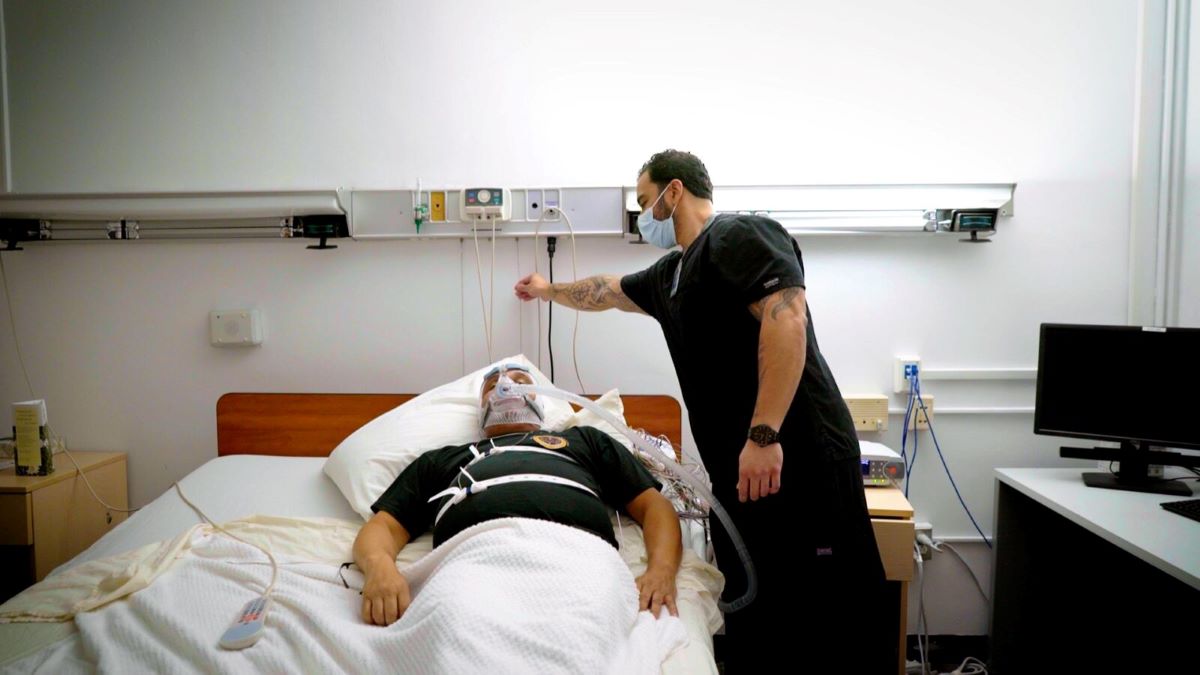
The landscape of sleep medicine in Australia has shifted dramatically. For decades, the Continuous Positive Airway Pressure (CPAP) machine was the undisputed “gold standard.” However, as we move through 2026, a new era of “pharmaceutical” and “neuromodulation” treatments is challenging the dominance of the mask.
With the 2025/2026 surge in weight-loss medications like Zepbound (tirzepatide) and advanced hypoglossal nerve stimulation, many Australians are finally finding a path to apnea remission without being tethered to a machine. If you are searching for CPAP alternatives in 2026, this guide explores the latest TGA-approved medical breakthroughs.
See more: Top 10 Signs You Might Have Sleep Apnea and Don’t Know It
The 2026 Shift: Why Patients Are Moving Beyond CPAP
While CPAP is highly effective at preventing airway collapse, its long-term compliance rate in Australia remains a challenge, often hovering between 40% and 60%. Patients frequently cite mask discomfort, skin irritation, and the “lifestyle burden” as reasons for seeking alternatives.
In 2026, the conversation has moved from merely managing the obstruction to treating the underlying cause. This is primarily driven by two major advancements:
- Metabolic Treatment: Using GLP-1 and GIP receptor agonists to reduce the fat deposits around the upper airway.
- Neuromodulation: Using implanted devices to physically “tone” the airway muscles during sleep.
Zepbound and GLP-1s: The Pharmaceutical Revolution
The most significant change in 2026 is the widespread clinical use of Zepbound for sleep apnea. Unlike CPAP, which acts as a mechanical “wedge” to keep the door open, Zepbound and similar GLP-1 medications aim to “move the furniture” leaning against that door.
How GLP-1s Induce Apnea Remission
Most Obstructive Sleep Apnea (OSA) cases in Australia are linked to a high BMI. Excess adipose tissue (fat) around the neck and tongue increases the likelihood of airway collapse.
- Tirzepatide (Zepbound/Mounjaro): A dual GIP/GLP-1 agonist that has shown an average weight loss of approximately 20% in clinical trials.
- Mechanism: By reducing systemic inflammation and specifically targeting neck fat, these drugs can reduce the Apnea-Hypopnea Index (AHI) by 50% or more.
- The Result: For many, this reduction moves them from “severe” apnea to “mild” or even “subclinical” levels, effectively allowing them to stop CPAP therapy under medical supervision.
Comparing Pharmaceutical vs. Traditional CPAP
| Feature | CPAP Therapy | Zepbound / GLP-1s |
| Method | Mechanical Air Pressure | Biological Weight/Fat Loss |
| Invasiveness | Non-invasive (Mask) | Weekly Injection |
| Primary Goal | Symptom Management | Addressing Underlying Cause |
| Side Effects | Dryness, Skin Irritation | Nausea, Gastrointestinal issues |
| TGA Status | Fully Approved | Approved for OSA with Obesity |
Hypoglossal Nerve Stimulation: The “Internal CPAP”
For Australians who are not candidates for weight-loss medications or who have a non-obese phenotype of OSA, Hypoglossal Nerve Stimulation (HNS) has become a mainstream alternative in 2026.
What is Nerve Stimulation?
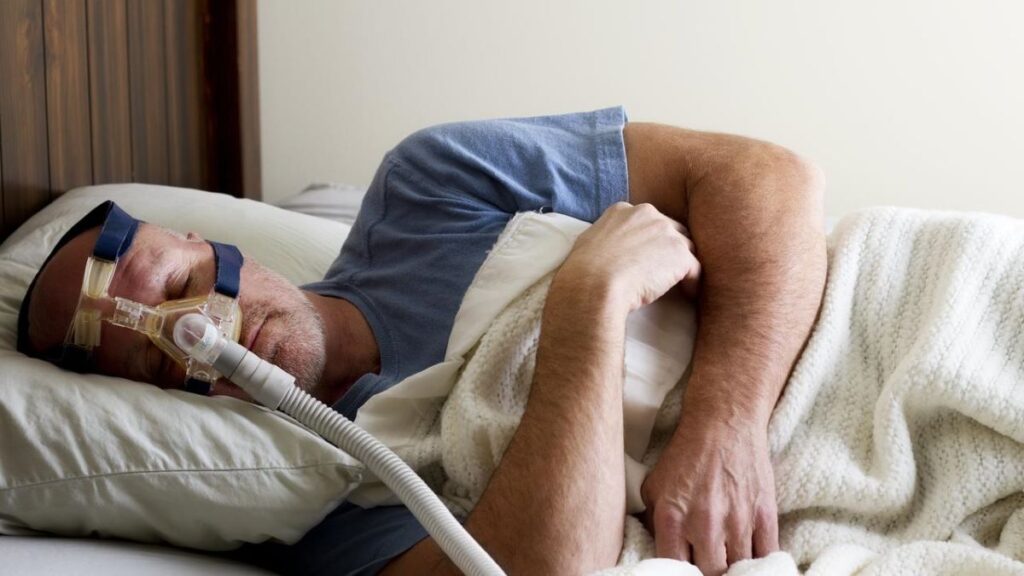
Often referred to as a “pacemaker for the tongue,” this involves a small surgical implant. The device senses your breathing patterns and delivers a mild electrical pulse to the hypoglossal nerve, which controls the tongue.
- How it works: Every time you inhale, the device nudges the tongue forward, keeping the airway clear.
- Advantage: There is no mask, no hose, and no noise.
- Success Rate: Recent 2025/2026 data indicates that over 80% of HNS patients achieve a significant reduction in AHI, with high long-term adherence.
A Step-by-Step Framework for Switching Treatments
Moving away from CPAP is a clinical process that must be managed by a sleep specialist or a GP.
- Diagnostic Re-evaluation: Undergo a new sleep study (polysomnography) to establish your 2026 baseline AHI.
- Phenotype Identification: Determine if your apnea is primarily driven by weight (anatomical) or muscle tone (neurological).
- Trial Period: If starting Zepbound, you will typically continue CPAP for the first 3–6 months while the initial weight loss occurs.
- Titration & Testing: As BMI drops, air pressure requirements often decrease. Your specialist will “titrate” your machine down.
- Exit Study: Once a target weight is reached, a final sleep study confirms if apnea has reached remission levels (AHI < 5).
Best Practices for Long-Term Success
- Holistic Lifestyle Integration: Even with medications like Zepbound, the TGA recommends a reduced-calorie diet and exercise to maintain muscle mass and metabolic health.
- Positional Therapy: Combine new treatments with side-sleeping aids. In 2026, smart wearable sensors can vibrate to gently nudge you off your back, further reducing airway collapse.
- Regular Monitoring: Pharmaceutical treatments require regular blood work to monitor for side effects like pancreatitis or gallbladder issues.
Common Mistakes to Avoid
- Abrupt Cessation: Never stop using your CPAP the day you start a GLP-1. Weight loss takes time to translate into airway stability.
- Ignoring “Food Noise”: While medications reduce hunger, failing to build healthy habits can lead to weight regain if the medication is paused, causing apnea to return.
Internal Linking & External References
Internal Linking Suggestions:
- Anchor text: “Latest TGA sleep apnea guidelines”
- Anchor text: “Benefits of Mandibular Advancement Splints (MAS)”
- Anchor text: “Understanding your Sleep Study results”
Authoritative External References:
- National Health and Medical Research Council (NHMRC) – Sleep Health Guidelines
- Australasian Sleep Association (ASA) – Position Statement on GLP-1s
Frequently Asked Questions (FAQ)
1. Can Zepbound completely cure my sleep apnea?
While not a “cure” in the permanent sense, it can lead to apnea remission. If weight loss is maintained, the airway may no longer collapse, meaning you no longer meet the clinical criteria for OSA.
2. Is Zepbound covered by Medicare for sleep apnea in Australia?
As of 2026, PBS (Pharmaceutical Benefits Scheme) coverage for Zepbound is primarily for Type 2 Diabetes. However, private health insurance and specific “weight-related” medical pathways are increasingly subsidising the cost for OSA patients.
3. What if I am not overweight? Can I still use these alternatives?
If your BMI is in the healthy range, GLP-1s are not appropriate. In these cases, Hypoglossal Nerve Stimulation or Mandibular Advancement Splints (MAS) are the preferred CPAP alternatives.
4. Are there side effects to the nerve stimulation implant?
The most common side effects include minor tongue soreness or abrasion during the “acclimatisation” phase. Serious complications are rare but can include infection at the device site.
5. Do I still need a sleep study if I feel better on the medication?
Yes. Subjective feelings of “more energy” don’t always mean your oxygen saturation levels are safe. A clinical sleep study is the only way to confirm you can safely stop CPAP.
Conclusion
The 2026 landscape for CPAP alternatives is more promising than ever. From the pharmaceutical power of Zepbound and GLP-1s to the high-tech precision of nerve stimulation, Australians now have valid, TGA-approved options to achieve apnea remission.
The transition from a “machine-first” approach to a “biology-first” approach requires professional guidance and a commitment to long-term health. If you’re tired of the mask, now is the time to consult your sleep specialist about a pharmaceutical or surgical path to better rest..